
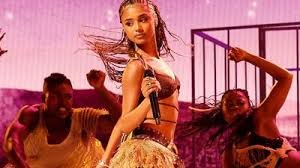
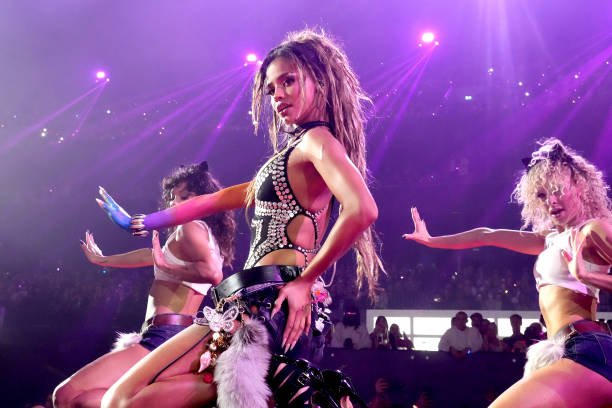
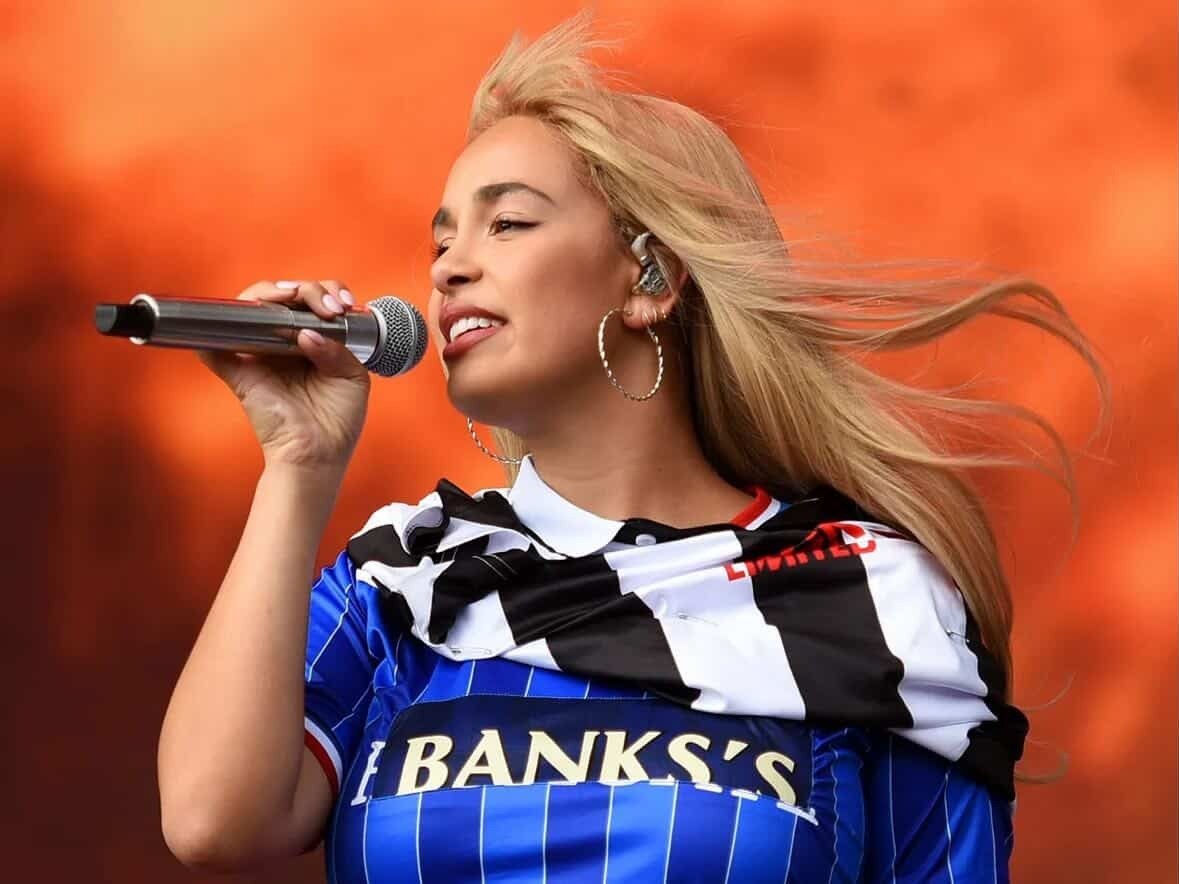

Afrobeat music has done something that very few genres in history have ever managed, it has turned the entire global music industry upside down without asking anyone’s permission. Decade after decade, African artists kept creating, kept innovating, and kept building a sound so powerful that the world eventually had no choice but to stop and listen. In 2026, afrobeat music is not a trend. It is the new standard.
The Real Meaning of Afrobeat Music
More Than a Genre — A Way of Life
Most people hear afrobeat music for the first time and think it is simply good dance music. And while it absolutely is, reducing it to that is like calling the ocean just a large body of water. Afrobeat music is a complete philosophy, it carries within it a way of seeing the world, a set of values about community and resistance, and a deeply African understanding of what music is for. In many West African traditions, music was never purely entertainment. It was communication, medicine, and prayer all at once. Afrobeat carries every single one of those purposes inside its rhythms, even when it is playing in a nightclub ten thousand miles from where it was born.
The Architecture of the Sound
What gives afrobeat music its unmistakable identity is not any single element but the way all the elements work together simultaneously. The drummer is not keeping time, the drummer is having a conversation with the bassist, the percussionists, and the horns all at once. The vocalist is not singing over the music; the vocalist is another instrument woven into the fabric of the sound. This collective approach to music-making, where every player is in constant rhythmic dialogue with every other player, is what produces that feeling of unstoppable forward motion that defines every great afrobeat recording.
The building blocks of the afrobeat sound:
- Interlocking percussion creating a web of rhythms rather than a single beat
- Bass guitar playing melodic lines, not just holding down the bottom end
- Brass instruments carrying the emotional weight of the composition
- Vocals functioning as both storytelling and rhythmic instrument
- Call-and-response structures that connect performer and audience directly
Where Afrobeat Music Came From
Lagos in the 1960s: The Birthplace of a Revolution
To understand afrobeat music, you need to picture Lagos, Nigeria in the late 1960s. It was a city buzzing with post-independence energy, full of young Nigerians who had grown up hearing traditional Yoruba music at home and were now encountering American jazz and funk records in the city’s clubs and radio stations. Into this environment came Fela Anikulapo Kuti; a musician who had studied at the Trinity College of Music in London, absorbed the sounds of James Brown and Miles Davis, and returned to Nigeria determined to create something entirely new. What he built was afrobeat: a genre that belonged completely to Africa while speaking a musical language the entire world could understand.
The Role of Tony Allen in Building the Beat
Fela Kuti gave afrobeat its soul and its politics. Tony Allen gave it its heartbeat. As Fela’s drummer and musical director throughout the golden era of Africa 70, Allen developed a drumming approach that had never existed before layering multiple independent rhythmic patterns into a single performance that created the sensation of an entire percussion ensemble coming from one musician. Brian Eno, the legendary music producer, famously described Allen as possibly the greatest drummer who ever lived. That assessment was not hyperbole. The rhythmic vocabulary Allen created forms the foundation on which all modern afrobeats is built.

Afrobeat and Afrobeats — Getting It Right
Why the Letter S Changes Everything
Afrobeat and afrobeats look almost identical on paper, but they describe genuinely different musical worlds. Afrobeat is the original, the source, the genre that Fela Kuti built in the 1970s, characterized by lengthy compositions, live band performance, and lyrics that functioned as political manifestos set to music. Afrobeats is the contemporary movement, a broad category that includes everything from Burna Boy’s Grammy-winning albums to the dancehall-influenced sounds coming out of Ghana’s Afropop scene. Both are valid, both are vital, and understanding the distinction makes the whole landscape of African music make far more sense.
Breaking it down simply:
- Afrobeat — 1970s Nigeria, Fela Kuti, jazz-funk foundation, long tracks, political
- Afrobeats — 2000s to now, multiple countries, pop-influenced, chart-friendly, global
A Rhythm That Bypasses the Brain and Goes Straight to the Body
Neuroscientists who study music and movement have found that polyrhythmic music, music built on multiple simultaneous rhythm patterns, activates the human motor system more powerfully than simple, repetitive beats. Afrobeat music is polyrhythm at its most sophisticated and most irresistible. This is not a cultural preference; it is a biological response. People who have never heard a single afrobeat song in their lives will start moving within seconds of the beginning of the music. The genre bypasses language, bypasses cultural conditioning, and speaks directly to the part of the human nervous system that was built for rhythm. That is not a coincidence. That is genius.
Streaming Broke the Geographic Walls
Before streaming platforms existed, afrobeat music’s global spread depended entirely on physical migration and word of mouth. African communities in London, New York, and Paris kept the music alive, but it could not reach beyond those pockets without major label support that was rarely offered. Streaming changed everything overnight. Suddenly a teenager in Indonesia could discover Fela Kuti, a student in Brazil could follow Burna Boy’s releases in real time, and a producer in Sweden could study Nigerian percussion for their next album. Geography stopped being a barrier and afrobeat music rushed through the gap like water through a broken dam.
TikTok, Reels, and the Dance Floor Without Borders
Social media gave afrobeat music something that no amount of radio play could have provided, a global dance floor that never closes. When a TikTok challenge built around an afrobeat song goes viral, it is not just promoting one track. It is introducing the entire genre to millions of people who will go looking for more. The visual nature of afrobeat’s culture, the fashion, the dance styles, the aesthetic, translates perfectly to short-form video content. Every viral afrobeat moment on social media is simultaneously a dance trend, a music discovery, and a cultural exchange happening on a scale.
Reasons afrobeat spread so rapidly online:
- Dance-first culture makes afrobeat perfect for video-driven platforms
- African artists maintain deep, personal connections with global online communities
- Collaborations with international stars generate cross-audience exposure
- The music’s visual and fashion culture creates compelling shareable content
Afrobeat Artists Who Are Defining This Era
Pioneers Who Made Everything Possible
The current global moment for afrobeat music was built on decades of work by artists who never saw the streaming era coming but created the music that would eventually take over. Fela Kuti’s recordings remain required listening for anyone serious about understanding this genre, not as historical artefacts but as living music that still challenges and inspires. Tony Allen’s work across more than fifty years of recording redefined rhythm for the entire world. King Sunny Ade proved that African music could reach international audiences without compromising its identity. These artists built the road. Today’s generation is driving at full speed on it.
The Stars Who Own the Global Stage Right Now
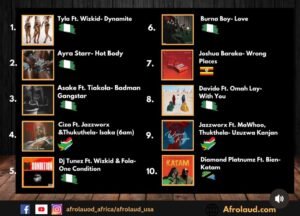
The artists leading afrobeat music in 2026 are operating at a level of global recognition and commercial success that would have seemed impossible for African artists two decades ago. Burna Boy has evolved from a promising Nigerian artist into one of the most compelling performers anywhere in the world. Wizkid’s ability to move effortlessly between intimate Afropop and global pop spectacle has made him one of music’s most versatile stars. Tems has positioned herself as the voice of a generation, not just an afrobeat generation, but a global musical generation. Rema, Asake, and Ayra Starr are right behind them, building catalogues that will define the next decade. Check who is topping the charts this week with The Weekly Top 10 Africa and The Weekly Top 10 USA.
The Songs That Built Afrobeat’s Global Reputation
Recordings That Changed the Game Forever
Certain afrobeat recordings did not just become popular, they shifted the entire trajectory of what was considered possible for African music. Fela Kuti’s Zombie was so politically threatening that the Nigerian government sent soldiers to destroy Fela’s compound after it was released. Wizkid and Drake’s One Dance became one of the best-selling singles in recorded music history and introduced afrobeat rhythms to an audience of hundreds of millions. Burna Boy’s Twice as Tall won a Grammy Award and told the world that afrobeat music was ready to be judged against the very best music being made anywhere on earth.
Classic recordings every afrobeat fan must hear:
- Zombie — Fela Kuti
- Lady — Fela Kuti
- Progress — Tony Allen
- Afro Strut — Tony Allen & the Afrobeat Orchestra
- Ju Ju Music — King Sunny Ade
The Tracks Dominating Every Playlist Right Now
Modern afrobeat is releasing era-defining music at an extraordinary rate. Rema’s Calm Down became a global streaming record-breaker that spent months on charts across multiple continents. Tems’ Free Mind introduced the world to a vocal talent so distinctively that comparisons became impossible, she simply sounds like herself. Asake’s Terminator demonstrated that deeply local Yoruba street culture could connect with audiences who had never set foot in Lagos. These are not just popular songs; they are cultural events.
Current afrobeat tracks ruling global playlists:
- Calm Down — Rema
- Free Mind — Tems
- Last Last — Burna Boy
- Terminator — Asake
- Rush — Ayra Starr
Explore all of these and hundreds more through The New Music Africa Playlist and The Top 20 Global Playlist.
How Afrobeat Is Reshaping All Popular Music
The Genre That Became Everyone’s Influence
A few years ago, afrobeat music was described as an emerging influence on global pop. That description is now outdated. Afrobeat is not emerging; it has arrived, and it is reshaping everything around it. The percussion choices in contemporary American R&B, the melodic phrasing in UK pop, the rhythmic sensibility of Latin urban music all of these have shifted measurably under afrobeat’s influence. Producers who built careers in hip hop and pop are now studying Nigerian and Ghanaian music as seriously as they once studied American funk and soul. The direction of influence has reversed.
Collaborations That Proved Afrobeat Had Won
The collaborations that afrobeat artists have secured over the last several years are the clearest possible signal of the genre’s global standing. Beyoncé building an entire album around African music and African artists. Jay-Z’s Tidal platform gives afrobeat artists prominent placement. Coldplay performing with Burna Boy. Ed Sheeran recording with multiple afrobeats artists. These are not charity gestures or exotic novelties; they are the most commercially successful artists in the world seeking out afrobeat talent because the music is simply that good and that powerful.
Global genres now shaped by afrobeat’s influence:
- American R&B and contemporary soul
- UK Afro-swing and drill music
- Latin pop and reggaeton production
- Electronic music and Afro-house
- K-pop and Asian pop production techniques
How to Find the Best Afrobeat Music Right Now
Why Curation Matters More Than Algorithms
Algorithmic music recommendations are useful, but they have a fundamental limitation, they show you more of what you already know. For a genre as deep and varied as afrobeat music, where incredible artists exist in every corner of Nigeria, Ghana, South Africa, Tanzania, and beyond, algorithmic suggestions will only scratch the surface. Human curation by people who genuinely love and understand the music goes far deeper, surfacing the tracks that an algorithm would never find but that a true afrobeat fan would treasure immediately. Browse the full music library to experience what genuine curation looks and sounds like.
The best curated afrobeat playlists to follow:
- New Music Africa Playlist — the freshest African releases curated consistently
- New Music USA Playlist — African music breaking into the American market
- Top 20 Africa Playlist — the continent’s biggest afrobeat tracks right now
- Weekly Top 10 Africa — updated every week without fail
- Weekly Top 10 USA — tracking afrobeat’s American chart movement
Building Your Afrobeat Journey from Zero
If you are new to afrobeat music, the best approach is not to start with the newest releases but to build a foundation first. Spend time with Fela Kuti’s classic recordings to understand where everything comes from. Then move into the early 2010s, when artists like Wizkid and Davido were first building their audiences. From there, follow the music forward to today’s releases and you will hear the genre’s evolution in real time. Explore the complete playlist collection to find the right entry point for your afrobeat journey, wherever you are starting from.
Afrobeat’s Place in African Culture and Identity
The Music That Speaks for a Continent
Africa is not one country and afrobeat is not one sound, but the genre has become something that unifies Africans across every border, language, and tradition. When an afrobeat artist wins a Grammy, Nigerians, Ghanaians, Kenyans, and South Africans all celebrate because the win belongs to the continent. When an afrobeat song goes to number one globally, it carries the pride of hundreds of millions of people who have spent their entire lives seeing African culture dismissed or ignored by global media. Afrobeat music is the sound of a continent that refuses to be silent and finally has the whole world’s ears.
Activism, Art, and the Afrobeat Tradition
The connection between afrobeat music and social activism is not incidental, it is structural. Fela Kuti built political resistance into the very DNA of the genre, and every generation of afrobeat artists has inherited that responsibility whether they chose it or not. Burna Boy’s passionate public stance during the End SARS protests of 2020 brought international media attention to Nigerian police brutality at a moment when it desperately needed a global audience. Wizkid, Davido, and others have consistently used their enormous reach to advocate for young Africans who need opportunities, investment, and recognition.
Causes afrobeat artists are actively champion:
- Ending police brutality and demanding accountability in Nigeria and across Africa
- Pan-African political and economic unity
- Expanding access to education and economic opportunity for African youth
- Championing mental health awareness in communities where it remains stigmatised
- Protecting and celebrating African languages, traditions, and creative heritage
What Comes Next for Afrobeat Music
The Next Wave Is Already Here
The future of afrobeat music does not require prediction because it is already audible in the music being released right now. A new generation of artists born in the late 1990s and early 2000s is creating sounds that blend afrobeat with electronic production, alternative songwriting, and genre references that span every corner of the global musical map. These artists grew up with the entire history of recorded music available to them through streaming, and the music they are making reflects that breadth of influence without losing the rhythmic and cultural core that makes afrobeat what it is. The genre is evolving at speed and the results are extraordinary.
The Numbers Tell a Story of Unstoppable Growth
Every data point available in 2026 confirms that afrobeat music is not at its peak, it is still climbing toward one. African music’s share of global streaming continues to grow year on year. International booking fees for African artists have reached levels previously reserved exclusively for Western superstars. The infrastructure of the African music industry, studios, labels, publishers, distributors, and festival promoters is developing at pace to support the demand that already exists. The global audience that afrobeat music will eventually reach is many times larger than the audience it has today. Stay connected to every moment of that growth through the home page and never miss what is coming next.
Why afrobeat’s trajectory only points upward:
- Africa’s population is the world’s youngest and will define global culture for decades
- African music infrastructure is developing rapidly to meet global demand
- Afrobeat is entering film, television, gaming, and fashion at an accelerating rate
- New sub-genres are emerging from East, Central, and Southern Africa
- The diaspora continues to grow and carry afrobeat to new audiences worldwide
Frequently Asked Questions
What exactly is afrobeat music?
Afrobeat music is a genre rooted in West Africa that combines traditional African percussion with jazz, funk, and highlife. It is known for its complex rhythms, brass instrumentation, and lyrics that address love, identity, and social justice.
Who invented afrobeat music?
Afrobeat was created by Nigerian musician Fela Anikulapo Kuti in Lagos in the late 1960s. His drummer Tony Allen was co-architect of the genre’s distinctive rhythmic style.
How is afrobeat different from afrobeats?
Afrobeat refers to Fela Kuti’s original 1970s genre, long compositions, jazz-funk influenced, politically charged. Afrobeats is the modern umbrella term for contemporary African popular music including artists like Burna Boy and Wizkid.
Why has afrobeat music become so popular globally?
Afrobeat’s polyrhythmic structure creates an almost physical compulsion to dance that crosses cultural boundaries. Combined with social media virality and high-profile international collaborations, the genre has found audiences in every country on earth.
Who are the biggest afrobeat artists in 2026?
Established global stars include Burna Boy, Wizkid, Davido, and Tems. Rising artists to watch include Rema, Asake, Ayra Starr, Omah Lay, and Zinoleesky.
Where is the best place to listen to afrobeat music?
Start with curated playlists built by people who truly know the genre. Explore the full music collection and browse all available playlists for a complete afrobeat listening experience updated regularly.
Recent Comments